 ES
ES EN
EN DE
DE FR
FR PT
PT IT
IT GB
GB
Shopping Cart
The origins of padel: from an improvised court in Mexico to a global phenomenon
Categories :
Present
Although many associate the paddle tennis with Argentina, Mexico or even Uruguay, the true story of this such a popular sport takes us to a completely different place: USA. Yes, you read that right. Padel has its roots in the North American country, where an idea was conceived at the end of the 19th century that would evolve over time to become one of the most practiced sports in the worldWith millions of players spread across five continents, the paddle tennis has gone from being a curiosity to a true way of life.
The birth of padel tennis in the USA (1898)
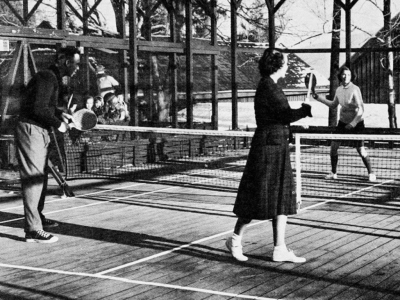
In the year 1898, an American coach named Frank Beal —although in some sources the name appears Albion— was looking for a more accessible and simple way for children to learn to play table tennis. tennisHis solution was ingenious: reduce the size of the track to a quarter, replace the traditional rackets by smaller blades and use balls of espuma, easier to control. Thus was born the so-called paddle tennis, a sport that quickly gained popularity not only among young people but also among adults looking for a fun and less demanding way to enjoy the game. This scaled-down version of tennis laid the foundations for what, years later, we would know as paddle tennis.
Enrique Corcuera and the creation of modern padel (1969)
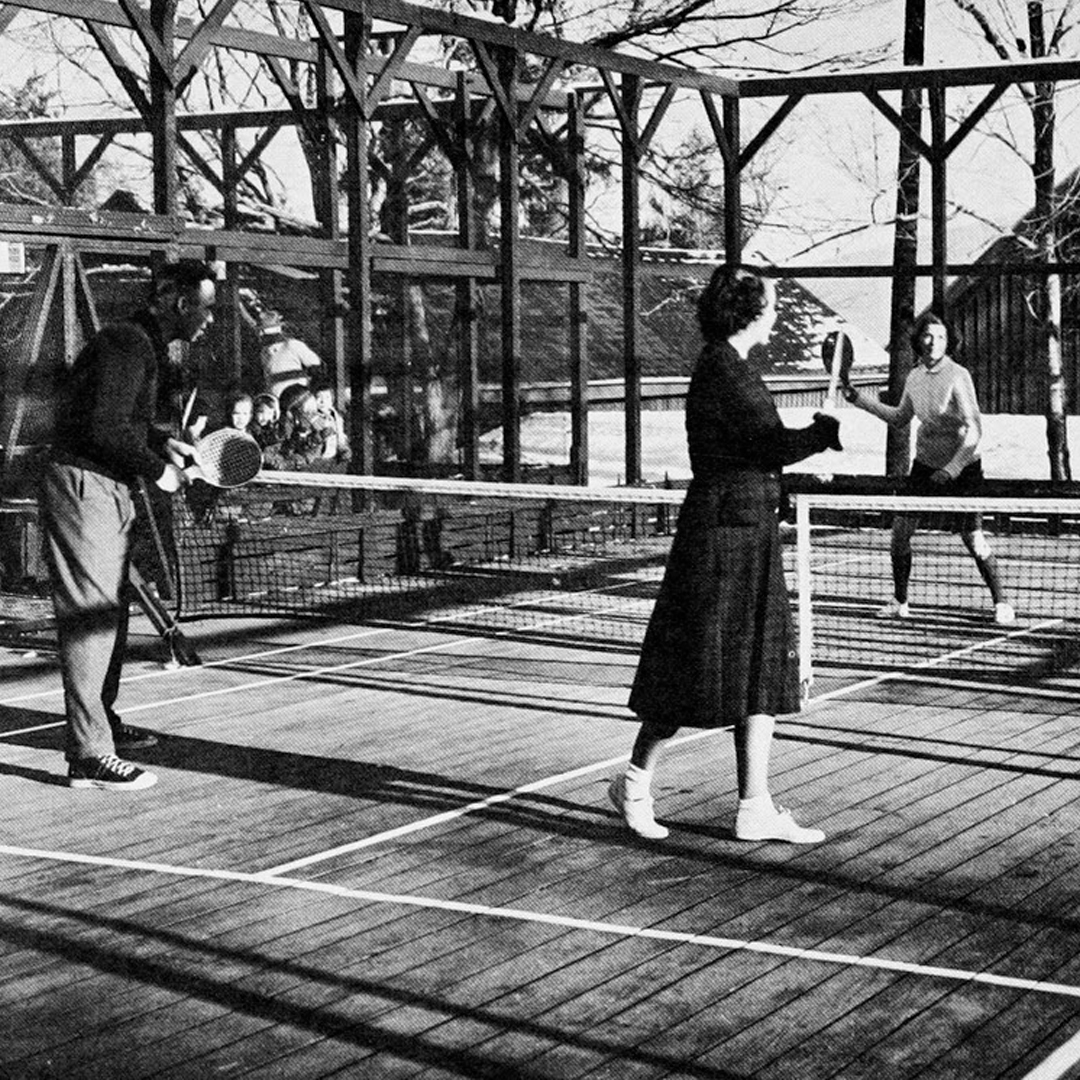
Decades later, in 1969, the Mexican Enrique Corcuera took a key step in the history of padel. During his summers in Acapulco, wanted to install a tennis court in his house, but found himself with a space limitationInstead of abandoning the idea, he was inspired by the paddle tennis American to build a smaller runway. But his innovation didn't stop there: Corcuera added walls around the court to prevent the ball from going out of bounds, which brought a new dynamism to the sport. He maintained the use of wooden shovels and replaced the balls of espuma by traditional tennis balls, giving rise to modern padelThis more closed, technical, and tactical format offered a different and more intense experience.
See this post on Instagram
The leap to Europe from Marbella (1974)
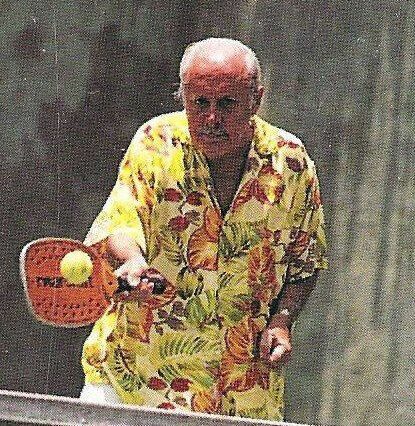
It was thanks to the Prince Alfonso of Hohenlohe, a friend of Corcuera, that paddle tennis crossed the Atlantic and arrived at EuropeFascinated by this new sport after trying it at Corcuera's house, he decided to build the first paddle tennis courts in the exclusive Marbella Club in 1974The sport began to be practiced among the most select circles of the Costa del Sol, attracting businessmen, aristocrats, celebrities and elite athletes. During these early years, padel in Spain was a elite game, almost a curiosity reserved for those who could afford access to private clubs. However, the seed had already been planted, and the sport was quietly beginning to spread.
Argentina: The paddle tennis revolution in South America
Meanwhile, in South America, padel found its most fertile ground in Argentina. In 1975, the businessman Julio Menditegui He took the idea from Marbella to Buenos AiresWhat happened there was extraordinary: in just a few years, padel became a social phenomenon unprecedented. During the 1980s, thousands of clues throughout the country, and the sport became one of the most practiced, especially in large cities. This explosion of popularity also brought with it the development of great talents, such as Fernando Belasteguín, who became world number one for 16 consecutive years, or Agustín Tapia, one of the most prominent figures of today. Argentina not only adopted padel, it made it an essential part of its sporting culture..
The professionalization of padel and its global expansion
In the late 80s and early 90s, padel took a key step towards its professionalization. In 1991 was founded International Padel Federation (FIP), responsible for organizing international competitions and establishing a unified regulation. In 1992 the first was celebrated World Padel Championship, which took place in Madrid and Seville, marking the beginning of an era of high-level competitions. Since then, growth has been constant. Today, padel is played in more than 140 countries, there is thousands of clues in Europe, Asia and America, and the number of players exceeds 30 million worldwideThis growth has also been driven by the investment from global sports brands and the creation of professional circuits like the Premier Padel.
Spain: from exclusive sport to popular phenomenon
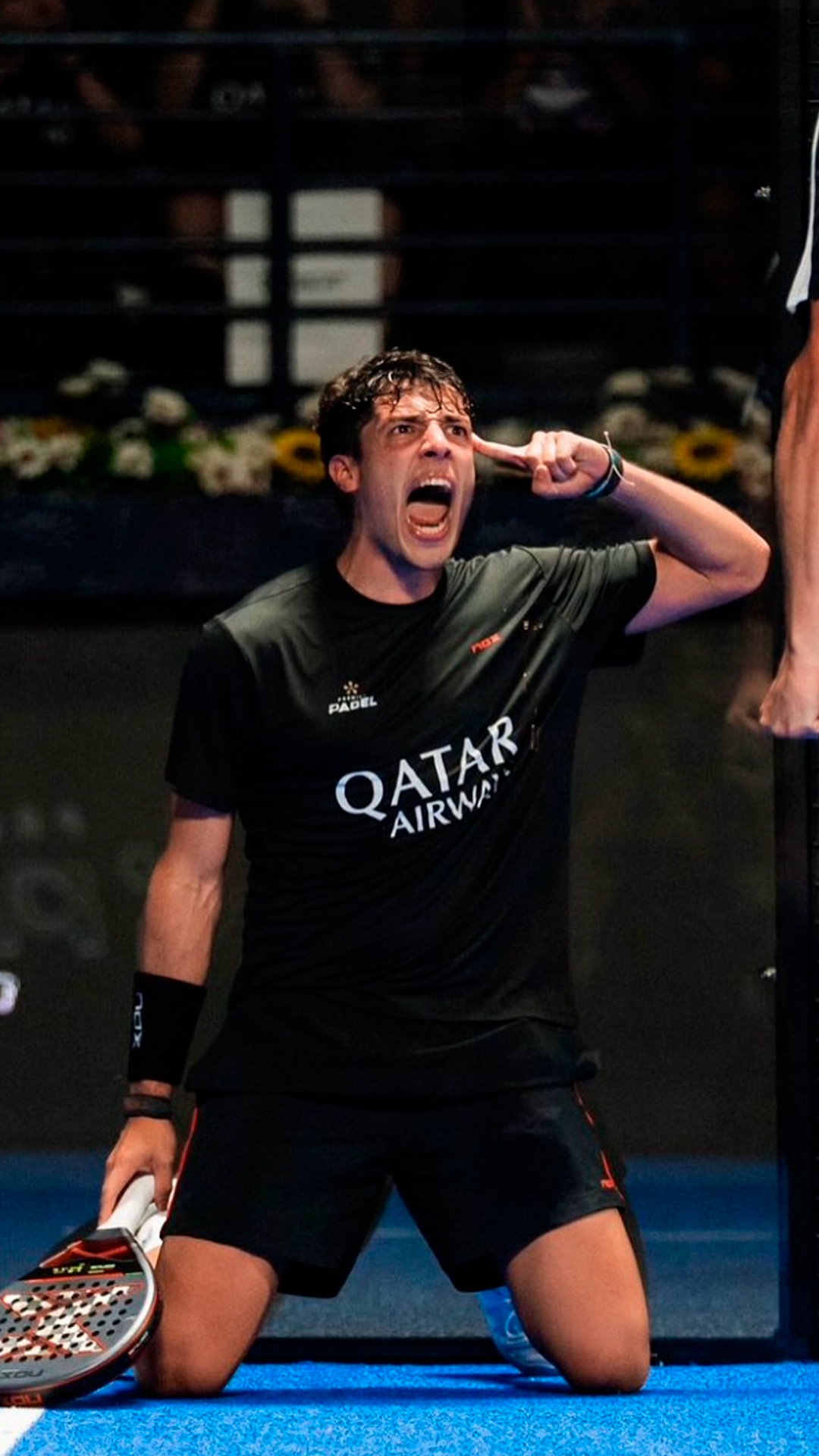
In SpainIn just a few years, padel went from being a sport reserved for the elites to become a authentic national passionDuring the 90s, figures such as former president José María Aznar, the pilot Carlos Sainz or the tennis player Manolo Santana practiced it regularly, and its popularity spread to other social sectors. With the arrival of tracks to urbanizations, sports centers and educational centers, padel became accessible to all. Today is the second most practiced sport of the country, only behind the soccer. The possibility of playing in double, his low level of initial physical demand and his social component have made paddle tennis an ideal activity for both beginners as for experienced athletes.
Padel today: a trendy and lifestyle sport
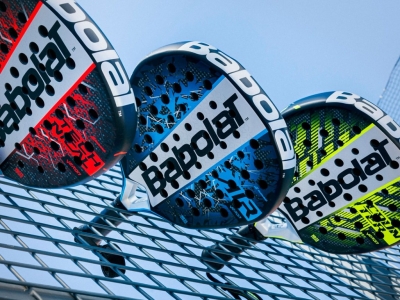
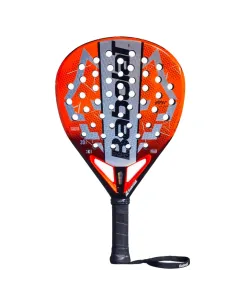
Nowadays, padel is not just a sport: it is a cultural phenomenon, a way to connect with others and of stay active. International brands as Adidas, Headeither Babolat have created specific lines for padel players. Tournaments such as the Premier Padel They fill stadiums and are broadcast on television and digital platforms. They have even been built Padel courts in hotels, luxury developments, cruise ships and shopping centers. In addition, thanks to the digitalization and the social networks, sport has found a very active community that shares tips, matches, content, and lifestyle. Padel is no longer just a trend: it has established itself as a pillar of modern sport.
Conclusion: padel continues to grow
What started as a improvised solution in a garden in Acapulco today is a passion shared by millions of people all over the world. Since Keepadel, we not only celebrate the history of padel, but we want to be part of its future. We promote a active, healthy and social lifestyle around this sport that unites us so much. If you haven't tried padel yet, now is the time. Because beyond physical exercise, padel is community, fun and connectionAnd this... has only just begun.
And you? Are you already part of the movement?
Share this content