
 ES
ES EN
EN DE
DE FR
FR PT
PT IT
IT GB
GB
Shopping Cart
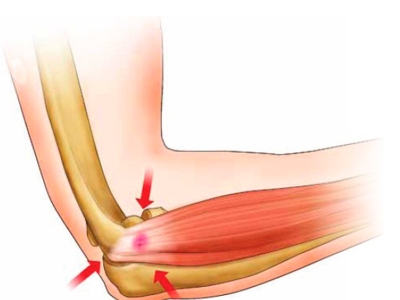
My elbow hurts when playing padel: 3 changes that can save your season
Categories :
Padel Tenis
, Present
Table of contents
keyboard_arrow_down
- Changing the shape of the shovel can reduce the strain on the elbow.
- The feel of the paddle directly influences the vibrations your arm receives.
- The weight of the paddle can make a difference in the medium and long term
- Elbow pain in padel is not always a matter of rest.
- Conclusion: It's not about quitting the game, it's about playing smart.
You play padel every day and your elbow has said "enough is enough".
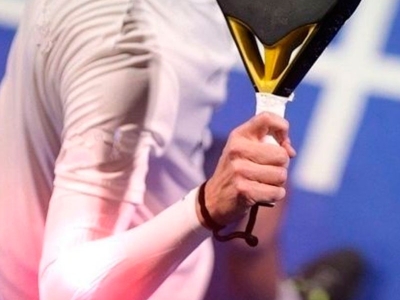
At first it's just a nuisance. Then the pain appears when finishing. Later you notice it even when gripping the shovel tightly or doing something as simple as opening a bottle. And that's when you start to worry.
Stop playing?
Let's be honest: you're not going to do it.
Padel is addictive. It's part of your routine, your leisure time, and probably your social circle. But what you can do is stop unnecessarily punishing your elbow.
Often the problem isn't the number of games you play, but the characteristics of the shovel you are using. Adjusting certain aspects can significantly reduce the overload that is causing the pain.
Let's look at the three most important changes.
Changing the shape of the shovel can reduce the strain on the elbow.
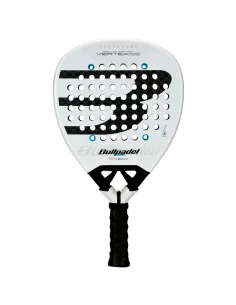
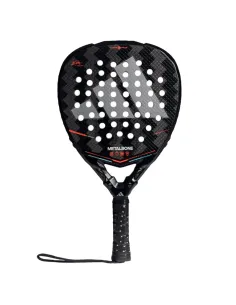
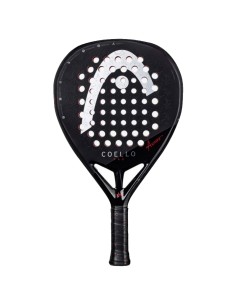
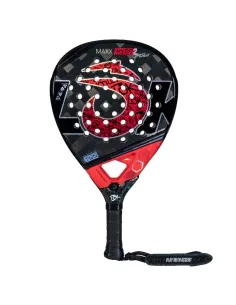
One of the most common mistakes is play with a diamond-shaped paddle without taking into account its biomechanical implications.
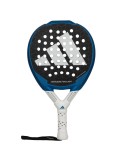
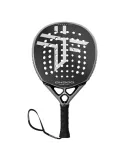
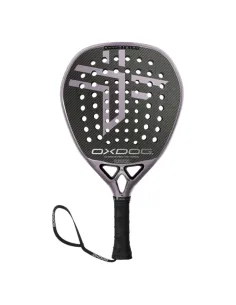
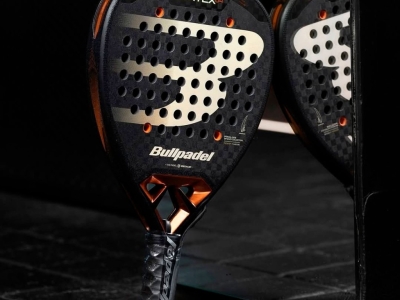
The diamond shovels They tend to have a high balance point, meaning the weight is more concentrated in the upper part of the body. This design favors power, especially in smashes and offensive shots, but also It increases the effort the forearm must make to move and stabilize the paddle with each stroke..
When you play frequently, that repeated effort creates constant strain on the tendons in your elbow. If there is already a pre-existing overload, pain will soon appear or intensify.
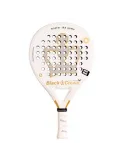
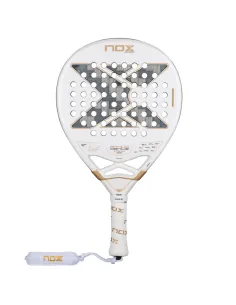
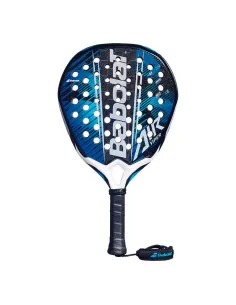
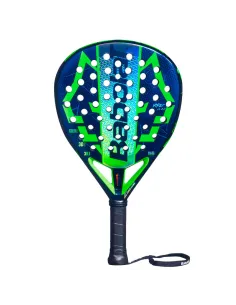
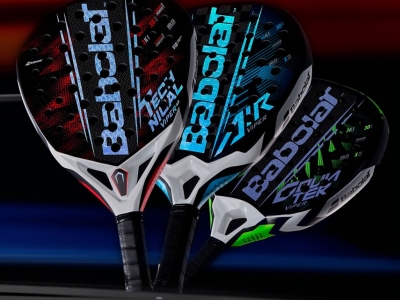
Switch to a round-shaped paddle A hybrid fork, with a medium or low balance point, shifts the weight towards the area closest to the hand. This improves maneuverability and reduces the leverage on the elbow with each movement.
It doesn't mean you'll lose all your power. It means you'll put less stress on your joints at each point. And when you're racking up hundreds of shots per match, that difference makes a difference.
The feel of the paddle directly influences the vibrations your arm receives.
Another determining factor is the core hardness and the faces of the shovel.
Hard-touch rackets offer a crisper, more precise hit with greater power when striking the ball hard. They are very appealing to advanced players seeking a firm feel and absolute control.
The problem is that also They transmit more vibrations to the arm.. And these repeated micro-vibrations are one of the elements that most influence the appearance of pain on the outside of the elbow, commonly associated with epicondylitis.
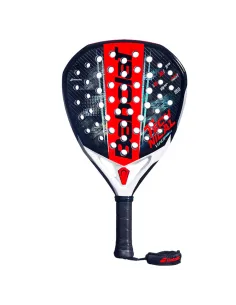
A paddle with soft rubber or a more comfortable feel acts as a shock absorber. It better absorbs the impact of the ball and reduces the amount of vibration that travels from the paddle to the forearm.
When your elbow is already sore, continuing to play with a stiff racket is like repeatedly hitting the tendon with the same harsh stimulus. Instead, opt for a softer feel. It can alleviate the feeling of impact from the first game.
It's not about choosing the softest racket on the market without any criteria, but about finding a balance that protects your arm without excessively sacrificing your performance on the court.
The weight of the paddle can make a difference in the medium and long term
The third aspect that many players underestimate is weight.
There's a common belief that a heavier paddle provides more stability and a higher level of play. And while this can offer a solid feel in certain situations, it also puts more strain on the arm with each acceleration and braking maneuver.
View this post on Instagram
Every time you prepare a smash, a quick volley, or a demanding bandeja, The elbow supports inertial forces that depend directly on the weight of the shovel. The greater that weight, the greater the accumulated load on the forearm.
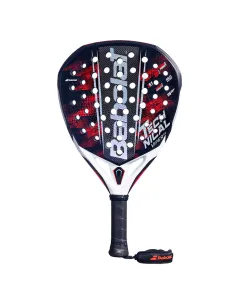
If you're already playing with pain, slightly reducing the weight can help decrease muscle fatigue and strain on your tendons. A lighter racket improves maneuverability and facilitates quick reactions without putting so much strain on your joints.
We're not talking about radically changing your style or switching to an extremely low weight if it doesn't suit you. We're talking about avoiding excesses which, as the matches progress, can become a chronic problem.
Elbow pain in padel is not always a matter of rest.
When pain appears, the most common recommendation is to stop. And in some cases, that's necessary. But often, the overload isn't solely caused by the frequency of play., but the combination of inadequate material and constant repetition.
If you correct the factors that are increasing mechanical stress on your elbow, you can continue playing more safely.
However, let's be clear: if the pain is intense, persistent, or increasing, The responsible thing to do is to consult a healthcare professional to assess the situation. and prevent it from becoming chronic.
The goal isn't simply to endure. The goal is to be able to keep playing for years.
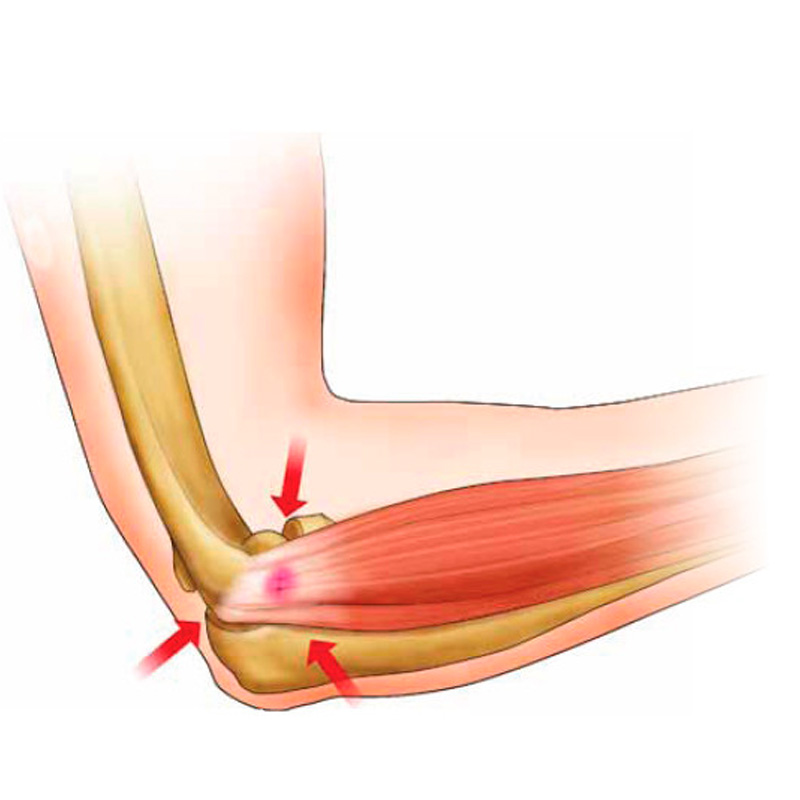
Conclusion: It's not about quitting the game, it's about playing smart.
Padel is a demanding sport for the arm, especially when played frequently. Ignoring the pain is usually not a good idea, but giving up on the court isn't the only option either.
Checking the shape, balance, feel, and weight of your racket can significantly reduce the strain on your elbow. These are technical adjustments that, when chosen correctly, can make the difference between a season filled with discomfort and one you can enjoy without constant pain.
If your elbow has told you "enough is enough", listen to it.
Not to give up.
But to make smart changes that allow you to keep playing for much longer.
Share this content