



 ES
ES EN
EN DE
DE FR
FR PT
PT IT
IT GB
GB
Shopping Cart
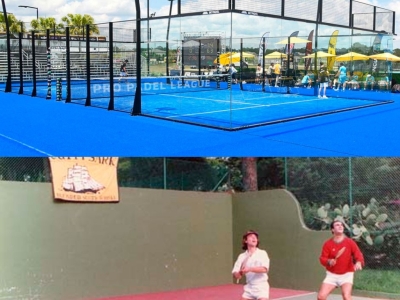
Muro vs Cristal: How padel has changed through its courts
Categories :
Present
"I started on the wall," Jorge says, between laughs and memories, as he adjusts his paddle. Beside him, Marcos, younger and raised on modern slopes, can't help but be curious: "So what are the differences?"
This conversation, which can be heard anywhere padel club, It contains a truth that many veterans know well: Today's padel is not the same as it was 10 or 15 years ago. The courts have changed, and with them, the game, the feel, and even the wear and tear on the equipment.
In this article we take you on a journey from the wall courts that made padel popular, to the modern glass slopes who dominate the professional circuit today. We'll do so through a dialogue between two generations who share the same passion for the sport.
Social Media Video: Marcos: "Hey Jorge, you've been playing padel almost since it was invented... You started on a wall court, right?
Jorge: Of course! In my day, there was nothing else. It was all walls, pure cement. Glass courts came much later.
Marcos: And what differences do you notice between playing on a wall and on glass?
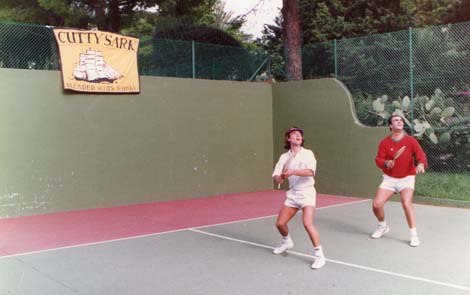
Jorge: Look, I'm not a pro or anything, but there are quite a few differences, eh. For starters, the rebounds were much more unpredictable on the wall. The ball sometimes came out awkwardly, especially if you hit it in the corner, because the side fence was a kind of wire fence that didn't help much.
Jorge: Plus, the wall retained a lot of heat in the summer. You'd play at 5 p.m. and it felt like you were standing in a frying pan. But I'll tell you one thing: on rainy days or when the court was wet, the wall wasn't as slippery as glass. You can slip on glass if you're not careful.
Marcos: I didn't know that. And the shovels? Were they also more affected?
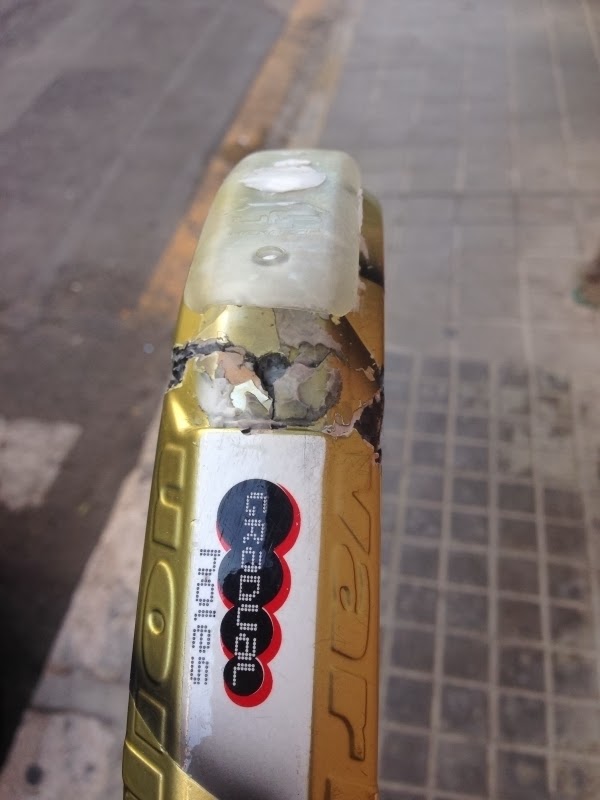
Jorge: You wouldn't believe it! Every time you played on the wall, the paddle would come out with a war wound. The impacts against the concrete were brutal. The paddles would splinter, break... now with glass, that happens much less often.
Marcos: So, with all that... do you stick with a wall or glass?
Jorge: Without a doubt: glass, indoor, and heated. At my age, I'm not up for adventures anymore. I want comfort and clean bounces. I'll leave the wall to the nostalgic ones!
Rebound, pace and reading of the game: the walls were unforgiving
Jorge clearly remembers the technical difficulties of those wall tracks:
“The bounce was more erratic. You didn't really know how the ball was going to come out. Sometimes it stayed dead, other times it came out awkwardly. And if you hit the side fence, that was the end of the point.”
The metal side railings, Common on concrete courts, they didn't return the ball: they were like a trap. Furthermore, the concrete walls had hard corners and uneven behavior. This forced the player to always be alert and more conservative with their shots.
Instead, glass brought with it a revolution in game reading.
Now the rebound is much more predictable, consistent, and fast. This has allowed players to take more risks, play closer to the glass, and generate more spectacular points.
“With glass, everything is more fluid. It's faster, more precise. You can use the rebound to your advantage, even attack with it,” Marcos says.
See this post on Instagram
Temperature, rain and sensations while playing
Another of Jorge's vivid memories is the heat:
“In the summer, the wall radiated such heat that it felt like you were standing in an oven. You could really feel it.”
He cement accumulated the heat of the sun during the day and released it during game time, raising the court's temperature. In contrast, modern courts, many of which are covered or heated, avoid these extreme situations.
However, Jorge also recognizes an advantage of the wall in adverse conditions:
"When it rained or the ball was wet, the wall gripped more. On glass, when it's wet, it's slippery and you can easily fall."
This detail is key for those who play outdoors or on poorly maintained courts: wet glass can be very dangerous if not dried properly, while the wall, being porous, performed better.
The wall, the sworn enemy of padel rackets
One of the biggest pain points—literally—for old-school players is the damage their padel rackets when playing on a wall.
“Each game was a scar on the racquet. Between the cement on the back and the poorly finished corners, it was easy for them to get damaged. Many of them broke.”
Contact with the wall It left visible marks on the frame and face of the blade. The fibers wore out more quickly and breakages were frequent. Today, with polished glass surfaces and modern court designs, the blades have a much longer lifespan.
Experience rules: what does a veteran prefer?
Marcos asks the key question:
“So what do you prefer, wall or glass?”
Jorge does not hesitate:
“Glass, indoor, and air-conditioned. I'm too old for anything else!”
He says it with humor, but also with wisdom. Padel has evolved to offer a more technical, comfortable and safe experience. Although the wall has a nostalgic feel and trained thousands of players, current conditions have raised the level of play exponentially.
A story of evolution
The wall not only represents another way to play: represents a stage of padel. It was the place where the sport became known in many countries, especially in Spain and South America. For years, it was the only way to build courts due to cost and availability of materials.
With the rise of professional padel, brands and promoters opted for glass, not only for its technical advantages, but also for its aesthetics: it allows spectators to watch matches from the outside, which is ideal for television and broadcasts.
Conclusion: Every surface tells a story
Nowadays, very few players experience the feeling of a wall court. due to the wide range of clubs available around the worldBut those who did know that the foundations of their game were forged there. Even so, glass has won the day, and not just for comfort or bounce: it's part of the new padel, one that is seen, enjoyed, and lived at a different pace.
And you? Are you nostalgic for the wall, or could you no longer play without glass?
Share this content