

 ES
ES EN
EN DE
DE FR
FR PT
PT IT
IT GB
GB
Shopping Cart
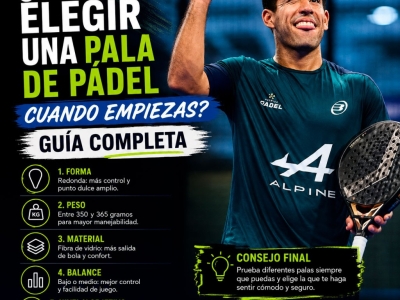
How to choose a padel racket when you're a beginner? A complete guide
Categories :
Padel Tenis
, Present
Table of contents
keyboard_arrow_down
- Why is it so important to choose the right first padel racket?
- Step 1: Be honest about your skill level
- When are you considered to be starting out?
- Step 2: Choose the right shape for the paddle
- Round shovel: the best option for beginners
- Hybrid or teardrop blade: ideal for evolving
- Diamond paddle: best for advanced players
- Step 3: Pay attention to weight and balance
- What happens if you choose a shovel that's too heavy?
- Low or medium balance: more comfort to start with
- Step 4: Choose a comfortable rubber band
- Advantages of a soft or medium rubber
- Step 5: Don't obsess over carbon
- Fiberglass to start with
- Carbon for players with more technique
- Step 6: Don't buy a shovel just because a professional uses it
- How much should I spend on my first padel racket?
- Common mistakes when buying your first padel racket
- What characteristics should a padel racket for beginners have?
- When should you change your paddle?
- Our recommendation on Keepadel
- Conclusion: the best racket to start with isn't always the most expensive
- Frequently asked questions about how to choose a padel racket
- What is the best padel racket for beginners?
- Is it better to buy an expensive shovel to start with?
- Which paddle shape is best to start with?
- Which is better for beginners, carbon fiber or fiberglass?
- When should I change my first padel racket?
Starting to play padel is one of the best decisions you can make if you're looking for a fun, social, and easy-to-learn sport. However, there's one question that practically all players ask themselves after playing for a few weeks:
Which padel racket should I buy?
In Keepadel We hear this question every day in the store. And, interestingly, we also hear the same phrase many times: “I want one of the best rackets on the market because that way I’ll improve faster.”.
The reality is quite different. Buying a professional racket when you're still learning won't just make you improve faster, but in many cases, it can actually slow your progress. You'll have less control, make more mistakes, and it will be much harder to develop good technique.
Choosing the right first padel racket can make the difference between enjoying every match or ending up frustrated because you feel you can't control the ball.
View this post on Instagram
Why is it so important to choose the right first padel racket?
When you start, you are still learning fundamental aspects of the game: how to prepare the shot, how to position yourself on the court, how to control the direction of the ball, how to use the walls, or how to defend and attack.
If you also use a shovel designed for advanced players or professionals, you will be adding an unnecessary difficulty.
It's similar to learning to drive in a Formula 1 car. It's not that the car is bad; it's just not designed for someone who is still learning.
The racket should help you improve, not demand more from you than your current level can offer.
Step 1: Be honest about your skill level
One of the most common mistakes is thinking that, because you come from tennis, pelota or another racket sport, you already need an advanced racket.
Even if you have good coordination, padel has a completely different technique. That's why it's important to identify where you really stand.
When are you considered to be starting out?
You're probably at a beginner level if you recognize yourself in several of these situations:
- You haven't been playing padel for very long.
- You still miss simple shots.
- You're having trouble controlling the direction of the ball.
- You don't master shots like the bandeja, the vibora, or the remate.
- You are learning to use the walls.
- You don't have a defined playing style yet.
If this is your case, the best option is to choose a comfortable, manageable and forgiving paddle.
You don't need a paddle that hits harder. You need a shovel that helps you make fewer mistakes.
Step 2: Choose the right shape for the paddle
The shape of a padel racket greatly influences its performance. Not all rackets are designed for the same type of player.
Round shovel: the best option for beginners
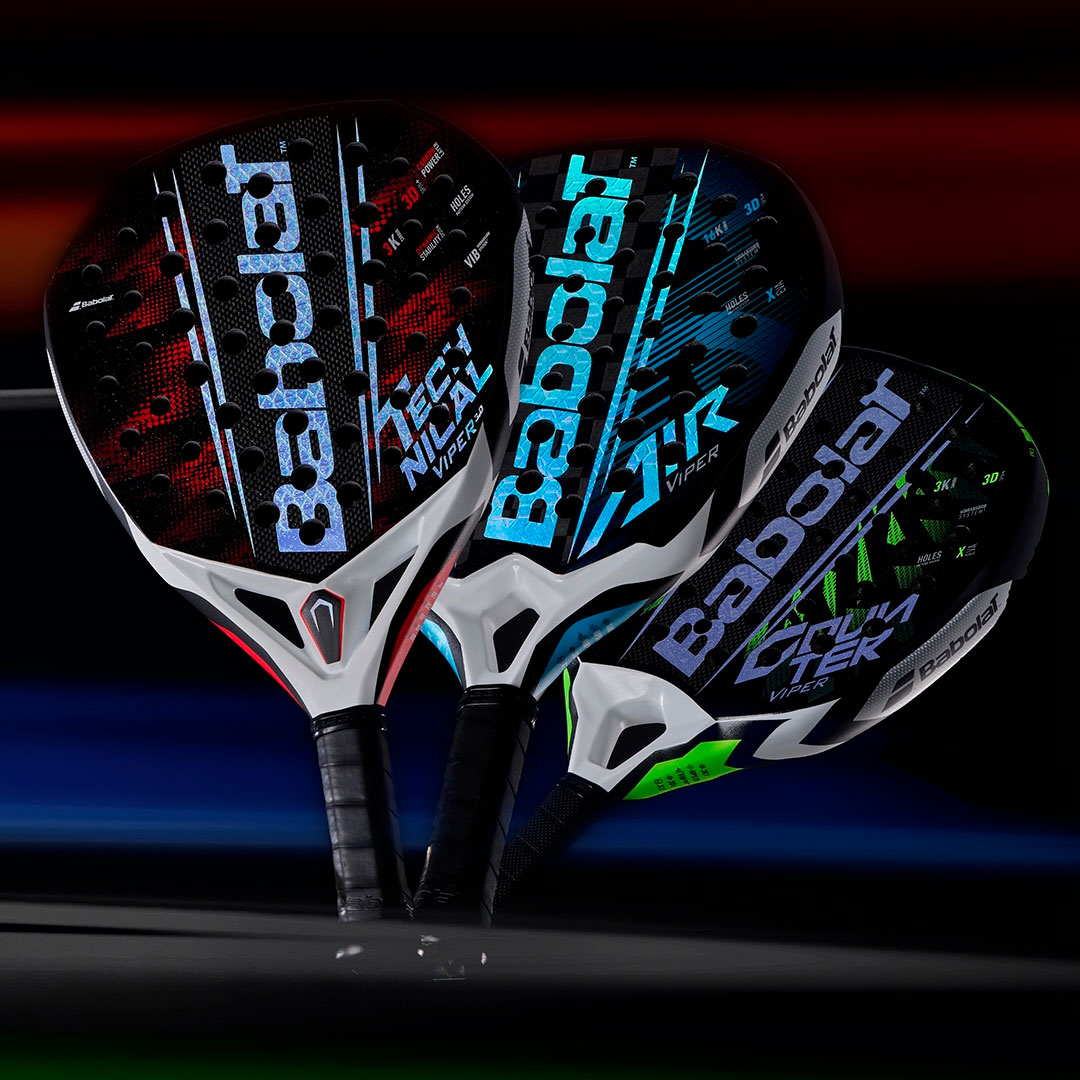
The round shovel It is usually the most recommended for players who are just starting out.
This type of shovel offers:
- Greater control.
- Larger sweet spot.
- Easier to handle.
- Better feeling in defense.
- Greater margin of error.
This means that even if you don't hit the exact center of the paddle, the ball will still come out quite easily.
Therefore, if you are looking for your first padel racket, a round racket is usually a very safe bet.
Hybrid or teardrop blade: ideal for evolving
The hybrid blades or teardrop-shaped, they offer a balance between control and power.
They are usually a good option for players who already have some experience and want a more versatile racket.
This type of racket might suit you if you already have better control of the basic strokes and are looking to start gaining more power without losing too much comfort.
Diamond paddle: best for advanced players
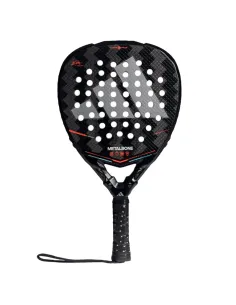
The shovels with diamond shape They are usually geared towards players looking for power.
They typically have a higher balance, a smaller sweet spot, and require a more refined technique.
Therefore, although they are very attractive and used by many professional players, they are not usually the best option to start with.
If you're just starting out, a diamond-shaped racket that's too demanding can make you fail more and enjoy it less.
Step 3: Pay attention to weight and balance
The weight of the paddle is important, but it shouldn't be analyzed in isolation. The balance, that is, where the paddle's weight is concentrated, must also be taken into account.
What happens if you choose a shovel that's too heavy?
A shovel that is too heavy can cause:
- Greater fatigue during the game.
- Slower reaction speed.
- Difficulty defending.
- Discomfort in wrist, elbow or shoulder.
- Worse sense of control.
Ideally, you should choose a racket that you can move naturally throughout the entire match, not just during the first few minutes.
Low or medium balance: more comfort to start with
For beginner players, a racket with a low or medium balance is usually more advisable.
This type of balance helps make the paddle more manageable, comfortable, and easy to move.
High balance rackets can generate more power, but they are also more demanding and less comfortable for players who are still learning.
Step 4: Choose a comfortable rubber band
The rubber of the paddle directly influences the feel, the ball exit speed and the comfort.
When you're starting out, soft or medium hardness rubbers usually work best.
Advantages of a soft or medium rubber
- Greater ball exit speed.
- Less effort to pass the ball.
- More comfort when striking the ball.
- Better vibration absorption.
- Easier to learn.
Hard rubbers can offer more precision and power in the hands of advanced players, but they also require a more refined technique.
If you're just starting out, a paddle that's too hard can be uncomfortable and difficult to use.
Step 5: Don't obsess over carbon
Many beginner players directly look for a 12K, 18K or even 24K carbon racket thinking that this means the racket will be better for them.
But it's one thing for a racket to have high-performance materials and quite another for it to be the right racket for your level.
Fiberglass to start with
Fiberglass usually offers a more flexible, comfortable, and easy feel.
That's why it's common to find it in beginner rackets or rackets designed for players who prioritize comfort.
Carbon for players with more technique
Carbon fiber provides more rigidity, precision and power, but it can also make the racket more demanding.
Today, many rackets combine fiberglass and carbon to achieve a good balance between comfort and performance.
When you're starting out, the most important thing isn't having the most exclusive carbon fiber. The most important thing is that the paddle is comfortable and helps you learn.
Step 6: Don't buy a shovel just because a professional uses it
This is one of the most common mistakes.
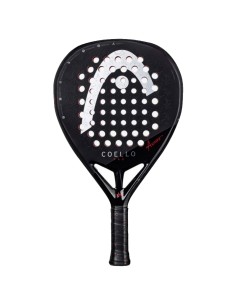
Many players come looking for the racket of their favorite player: that of Agustín Tapia, Juan Lebrón, Arturo Coello or any other professional player.
The problem is that these rackets are designed for players with a lot of technique, strength, experience and hours of training.
Just because a racket is good for a professional doesn't mean it's good for a beginner player.
In fact, many times the exact opposite happens.
The best racket for you is not the one a professional uses, but the one that suits your actual skill level.
How much should I spend on my first padel racket?
You don't need to spend €300 or €350 to start playing padel.
There are now padel rackets for beginners with an excellent quality-price ratio in much more reasonable ranges.
As a general guideline, among €80 and €180 You can find very interesting models to start with and evolve.
In that price range you can find comfortable rackets with good control, good ball output, and enough materials to enjoy the game from day one.
Common mistakes when buying your first padel racket
These are some of the mistakes we commonly see in store:
- Buy the most expensive shovel thinking it will be the best.
- Choosing a paddle based solely on its design.
- Buy the racket used by a professional player.
- Prioritize power over control.
- Ignoring weight and balance.
- Choosing a shovel that is too hard.
- Buy without receiving advice.
Avoiding these mistakes will help you enjoy padel more and progress more naturally.
What characteristics should a padel racket for beginners have?
A good padel racket for beginners should have several of these characteristics:
- Comfortable round or hybrid shape.
- Low or medium balance.
- Large sweet spot.
- Manageable weight.
- Soft or medium rubber.
- Good ball exit.
- Comfortable feel when hitting.
- Ease of control.
This type of racket will allow you to focus on learning technique, improving your positioning, and gaining confidence on the court.
When should you change your paddle?
A good beginner's paddle can last you a long time.
You don't need to change your paddle after two months if you're still learning the basic strokes.
It can be a good time to make a change when:
- You have better control over the direction of the ball.
- You master basic shots such as the volley, the bandeja, or the wall shot.
- You begin to develop a more defined playing style.
- Are you looking for more power, precision, or aggressiveness?
- You notice that your current paddle falls short of your progress.
At that point, it may make sense to switch to a more technical or higher-performance racket.
Our recommendation on Keepadel
At Keepadel we see it every day: players who have been playing for a short time and want to buy a professional racket thinking that this will help them improve faster.
But the reality is simple:
Don't buy the racket you want to play with in two years. Buy the racket you'll enjoy playing with tomorrow.
Your first racket should help you learn, control the ball better, and enjoy each match more.
As your technique evolves, your paddle can evolve with you.
And that's when you'll really notice the difference when you make the leap to more demanding models.
Conclusion: the best racket to start with isn't always the most expensive
Choosing a padel racket when you're starting out isn't about looking for the most expensive one, the most powerful one, or the one your favorite player uses.
It's about finding a paddle that suits you.
A comfortable, manageable and easy-to-control paddle will help you much more than a professional paddle that is too demanding.
If you're just starting out, focus on control, comfort, and ease of play. The power will come later.
In padel, evolving step by step is almost always the fastest way to improve.
Frequently asked questions about how to choose a padel racket
What is the best padel racket for beginners?
The best padel racket for beginners is usually a round, comfortable racket with a low or medium balance, soft or medium rubber, and a large sweet spot.
Is it better to buy an expensive shovel to start with?
Not necessarily. An expensive racket isn't always the best option for a beginner. What's important is that it's a comfortable racket suited to your skill level.
Which paddle shape is best to start with?
The round shape is usually the most recommended to start with because it offers more control, better handling, and a greater margin for error.
Which is better for beginners, carbon fiber or fiberglass?
For beginners, fiberglass or combinations of fiberglass and carbon are often very comfortable options because they offer better ball exit speed and a more flexible feel.
When should I change my first padel racket?
You should change your paddle when you notice that your technique has improved, you have better control of your shots, and you start looking for more specific features such as power, precision, or greater hardness.
Share this content