




 ES
ES EN
EN DE
DE FR
FR PT
PT IT
IT GB
GB
Shopping Cart
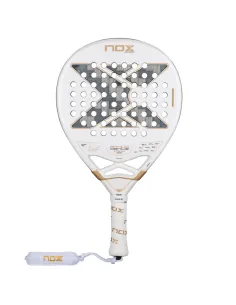
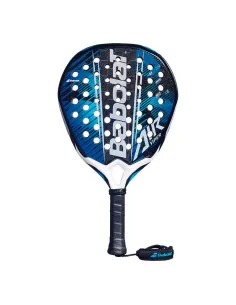
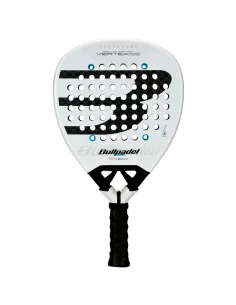
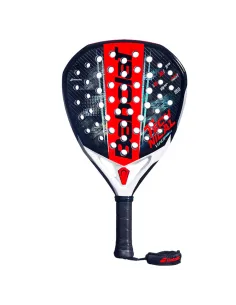
What are the holes in padel rackets for?
Categories :
Present
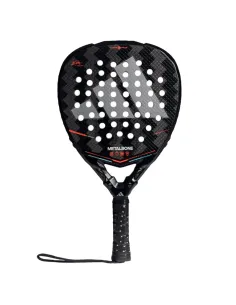
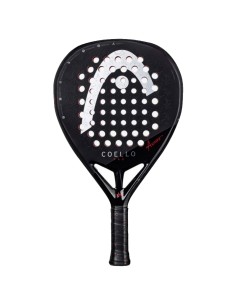
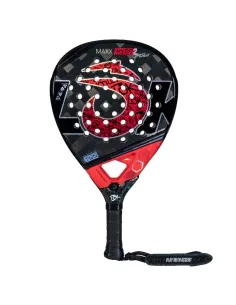
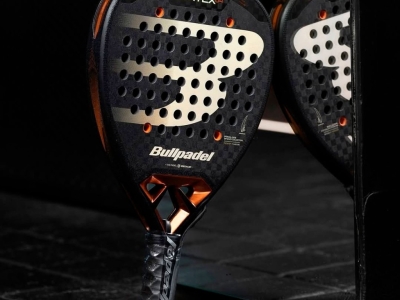
It is very common, even among players with years of experience, for the question to arise: what are the holes in the balls really for? padel rackets? Although it may seem like a purely aesthetic detail or a design resource, the truth is that the holes fulfill fundamental functions that directly affect the paddle's behavior during play. The interesting thing is that many of the reasons commonly given aren't entirely accurate... and others have changed over time thanks to more recent studies.
Social media video: "Marcos: What are the holes in padel rackets for?
Jorge: Well, look, Marcos, I'll tell you the truth: I'm not entirely sure either, and I've been doing this for years! But I've been reading and doing some research, and I'm going to tell you some interesting things.
I always thought the holes were there for aerodynamic reasons, so the blade could move better in the air. But it turns out there are studies from American universities (I couldn't tell you which ones exactly) that claim that's no longer the case, that the holes don't provide any aerodynamic benefits. So that first reason doesn't seem entirely true.
Another reason that makes more sense is weight: the holes help lighten the blade. Without them, it would be too heavy. So that could be one of the main reasons: reducing weight.
And what are the disadvantages of perforation? Well, it weakens the structure of the blade. Drilling into the carbon reduces strength, which can shorten its lifespan. But at the same time, it makes it more flexible. The fewer holes it has, the stiffer the blade will be; the more holes it has, the more flexible it will be.
By law, blades must have a minimum number of holes (although the exact number is not specified), so technically just one would be enough to be marketed and used. In fact, the first to do something like this were Drop Shot, and then Head with its Extreme One model.
Marcos: Perfect Jorge, it's still not entirely clear to me... but thanks!
Aerodynamics? A myth under review
For years it was believed that the holes were there to improve the aerodynamics of the blade: By allowing air to pass through them, the blade supposedly moved faster and with less resistance. However, research such as that conducted by European universities has shown that this effect is minimal, especially when the holes are located in the center. In fact, studies indicate that the distribution and the size of the holes than their mere presence. Only when they are well positioned, can slightly modify the way the air flows around the blade.
See this post on Instagram
The key: lighten the weight
A much clearer and more effective function of the holes is to reduce the weight of the blade. By removing material, the structure is lightened, This improves maneuverability and allows for greater reaction speed. This not only influences the player's performance but also helps prevent injuries. Lighter paddles reduce strain on the arm, elbow and shoulder, something essential for those who play frequently or competitively.
Flexibility vs. rigidity: how holes influence
Another aspect that is not often discussed is how the holes affect the blade's flexibility. By drilling into carbon or fiberglass, the structural rigidity of the frame is weakened. This means that a A blade with more holes will tend to be more flexible, absorbing vibrations better and generating a feeling of greater control. Conversely, fewer holes generally result in a stiffer racket, with greater power but also less tolerance for errors. In this sense, the holes function as a kind of "regulator" for the racket's behavior.
And durability? A side effect
Not everything is an advantage. The more holes a padel racket has, the more its durability is compromised. Drilling the body of the racket can reduce its long-term durability, especially if high-quality materials aren't used or if the holes are poorly distributed. That's why brands work with advanced technologies to reinforce critical areas and prevent fracture points. Ultimately, there's a delicate balance between lightness, flexibility, and structural strength.
What the official regulations say
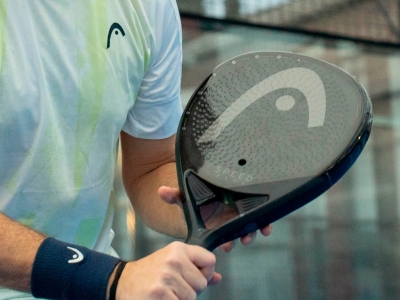
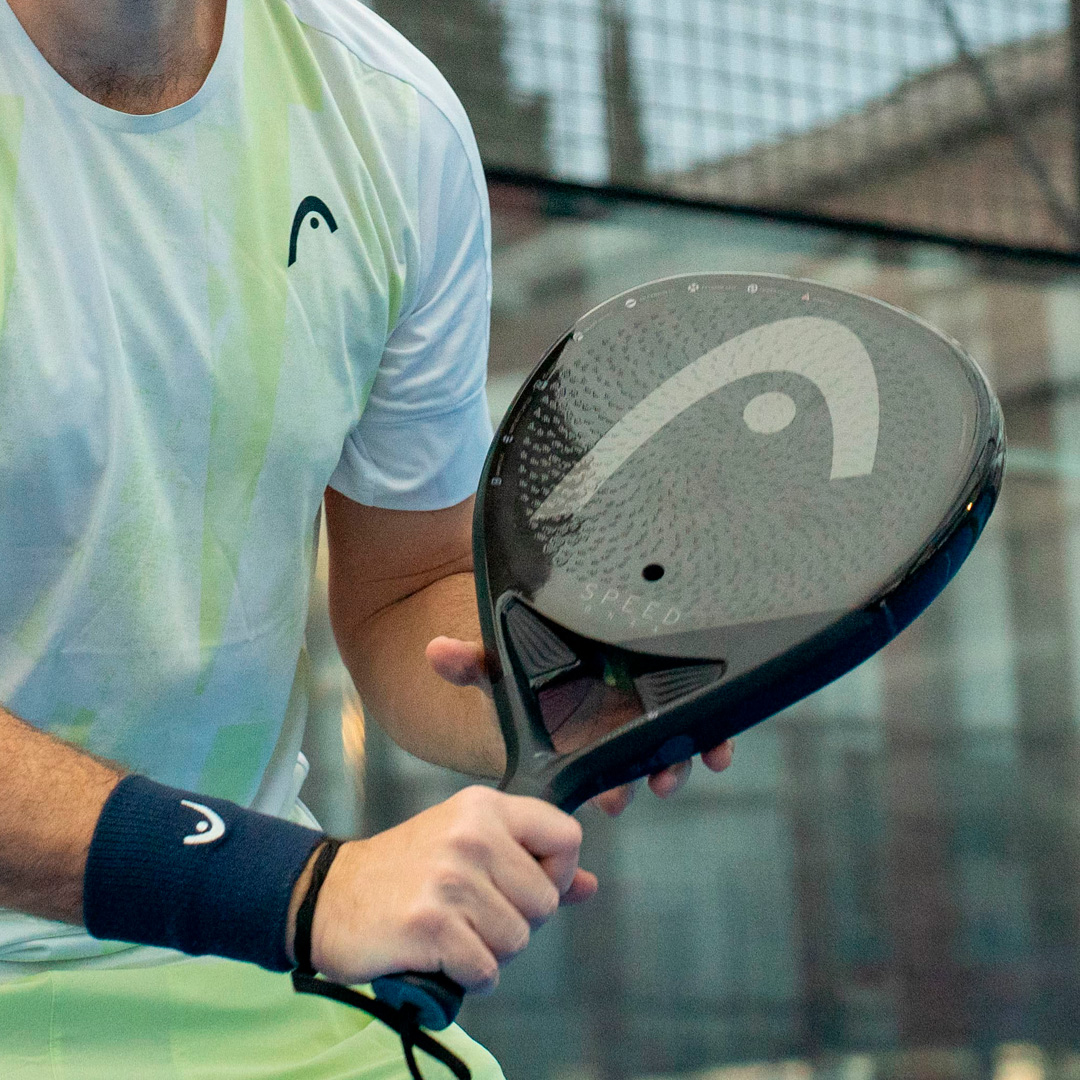
According to the International Padel Federation (FIP), paddles can have an unlimited number of holes, as long as they are located in the striking area and do not exceed 13 millimeters in diameter. Curiously, there is no minimum number, meaning that a paddle with only one hole is still completely legal. This detail has been exploited by brands such as Drop ShotEither Head, which launched models such as the Head Speed One, with a single hole, prioritizing rigidity and extreme control.
Holes, vibrations and injuries
In addition to influencing weight and flexibility, the holes also affect how the racket absorbs and transmits impact vibrations. A well-designed racket can significantly reduce vibration, which is essential to avoiding injuries such as the dreaded epicondylitis or "tennis elbow." Some models even incorporate anti-vibration technologies along with specific hole patterns to improve hitting comfort and joint protection.
Playing styles and types of drilling
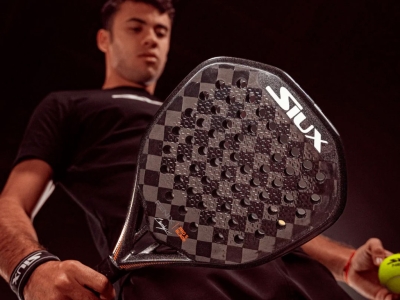
Not all paddles have the same hole pattern. Some prioritize a symmetrical layout, others a staggered shape, and some choose to concentrate more holes in certain areas. This design varies depending on the type of paddle (control, power, or hybrid) and the player's playing style. For example, A paddle with more holes and greater flexibility favors a more technical and precise game; while one with fewer holes and a more solid structure is designed for players looking for power in every shot.
Conclusion: much more than design
As you can see, the holes in a padel racket aren't there for nothing. They have a real and measurable impact on the material's behavior, performance, and lifespan. From weight reduction to improved comfort, flexibility, aerodynamics, and regulatory compliance, every perforation counts. Choosing the right racket means understanding how these factors influence and adapting them to your playing style. So, the next time you look at a racket, you'll know that there's a lot more science and strategy behind those holes than meets the eye.
Share this content