




 ES
ES EN
EN DE
DE FR
FR PT
PT IT
IT GB
GB
Shopping Cart
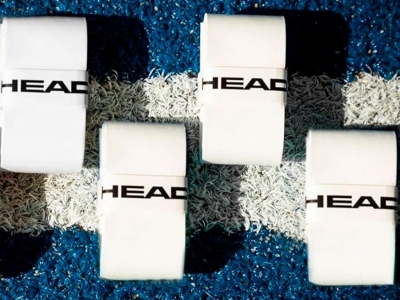
Padel overgrip: what it is, what it's for, types and how to choose the best one
Categories :
Accessories
, Present
Table of contents
keyboard_arrow_down
- What is an overgrip in padel?
- Why is it so important to use an overgrip?
- 1. Improves comfort
- 2. Protects the original grip
- 3. Avoid slipping
- 4. Improves game control
- Types of overgrips
- Smooth overgrip
- Perforated overgrip
- Rough-touch overgrip
- How many overgrips should be used?
- How often should the overgrip be changed?
- How to apply an overgrip step by step
- How to choose the best overgrip
- Purchase formats
- Common mistakes when using overgrip
- Conclusion
- Frequently asked questions about overgrips
- What is an overgrip in padel?
- Why use an overgrip?
- Which type of overgrip is best?
- How often should an overgrip be changed?
- How many overgrips should I use?
If you play padel, there's one detail that can make a big difference to your performance: the grip on your racket. Whether you're a beginner or an advanced player, an overgrip is an essential accessory that improves comfort, control, and safety with every shot.
Many players don't think much of it at first, but as soon as they start using it correctly, they notice an immediate change in their game.
What is an overgrip in padel?
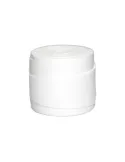
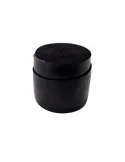
An overgrip is a thin tape that is placed over the original grip on the handle of the racket. This original grip comes from the factory attached to the handle, so it's not easy to change it without damaging it.
The overgrip acts as an additional layer that improves feel, absorbs sweat, and allows you to customize the grip thickness.
Why is it so important to use an overgrip?
1. Improves comfort
Not all hands are the same, and the standard grip size isn't always ideal. Thanks to the overgrip, you can adjust the thickness until you find the perfect fit.
2. Protects the original grip
The factory grip wears down with use, sweat, and friction. Using an overgrip prevents you from having to change it frequently, extending the life of your racket.
3. Avoid slipping
One of the most common problems is that the racket slips due to sweat. An overgrip improves grip and reduces this risk.
4. Improves game control
A good grip allows you to hit with more precision and safety, which translates into better performance on the court.
Types of overgrips
Smooth overgrip
It's the most common type. It offers a uniform surface and a soft feel. It works well under normal conditions and for players who don't sweat excessively.
Perforated overgrip
It includes small holes that improve ventilation and sweat absorption. It's the most recommended option for summer or warm climates.
Rough-touch overgrip
Less common, but it provides extra friction. It can be useful for players looking for a firmer grip.
How many overgrips should be used?
There is no exact amount, as it depends on the size of your hand and the feel you are looking for:
- 1 overgrip: greater sensitivity and direct contact
- 2 overgrips: balance between control and comfort
- 3 or more: greater thickness and comfort
For reference, you should be able to hold the paddle without your fingers digging too deeply into your palm.
How often should the overgrip be changed?
The overgrip is designed to be replaced frequently. It is not a permanent item.
You must change it when:
- Loses adhesion
- It's worn out
- It doesn't absorb sweat well.
Ver esta publicación en Instagram
If you play regularly, it's advisable to change it every few games to maintain good performance.
How to apply an overgrip step by step
- Start from the base of the handle
- Roll diagonally upwards
- Maintain constant tension
- Avoid wrinkles or creases
- Secure the end with adhesive tape.
Incorrect placement can negatively affect grip and comfort.
How to choose the best overgrip
Before you buy, consider these factors:
- Level of sweating
- The climate in which you play
- Desired thickness
- Feel (dry, soft or sticky)
There's no one-size-fits-all model. Ideally, you should try different options until you find the one that best suits your gameplay.
Purchase formats
Overgrips can be purchased in different formats:
- Single unit: ideal for testing
- 3-unit blister pack: most common option
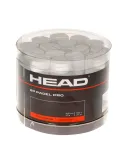
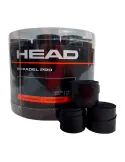
- Packs of 6, 12 or 25 units: more economical in the long run
Common mistakes when using overgrip
- Don't change it frequently
- Play only with the original grip
- Place it without tension.
- Not adapting the type of overgrip to the climate
Conclusion
The overgrip is one of the most affordable yet essential accessories in padel. It improves your grip, protects your racket, and allows you to play with greater safety and comfort.
Whether you're a beginner or already experienced, using overgrips correctly can help you take your game to the next level.
Frequently asked questions about overgrips
What is an overgrip in padel?
It is a tape that is placed over the original grip of the paddle to improve grip and protect the handle.
Why use an overgrip?
To improve grip, prevent slipping, protect the original grip, and adjust the handle thickness.
Which type of overgrip is best?
The perforated one is ideal for sweaty hands or summer, while the smooth one works well in normal conditions.
How often should an overgrip be changed?
It is recommended to change it when it loses grip, usually every few games.
How many overgrips should I use?
Between 1 and 3 depending on the size of your hand and the comfort you are looking for.
Share this content